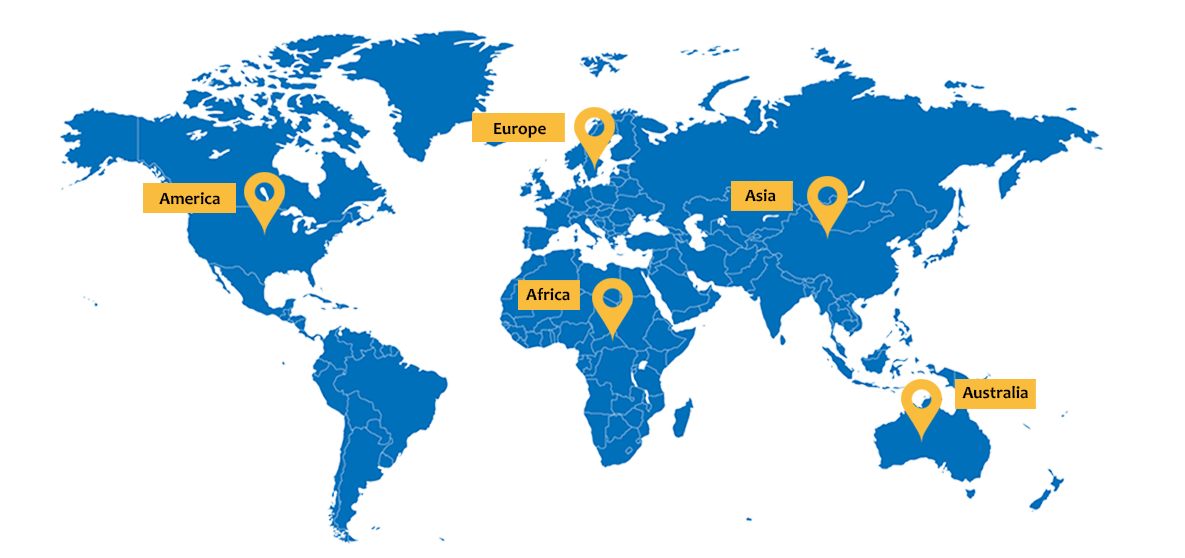
INTERNATIONAL VENTURES
From the Arctic to the Antarctic: Unleashing the Power of Education Across 7 Continents with Shahid Warsi
INTERNATIONAL VENTURES
USA
EUROPE
ASIA
AUSTRALIA
AFRICA
NORTH AMERICA
Exploring the Boundless Potential of Education in the USA with Shahid Warsi
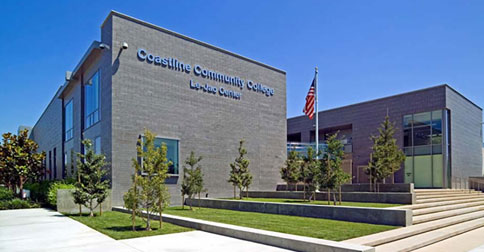
The education system in the United States is decentralized, meaning that each state has the authority to set its own educational standards and policies. However, there are some general features of the education system that are consistent across the country.
The system is divided into three main levels: primary education, secondary education, and higher education. Primary education, also known as elementary school, typically includes grades kindergarten through fifth or sixth grade. Secondary education, also known as high school, generally includes grades six or seven through twelfth grade. Higher education consists of colleges and universities that offer undergraduate and graduate degrees.
EUROPE
Uncovering the Rich History and Diversity of Education in Europe: Join Shahid Warsi’s Educational Tour Across the Continent!
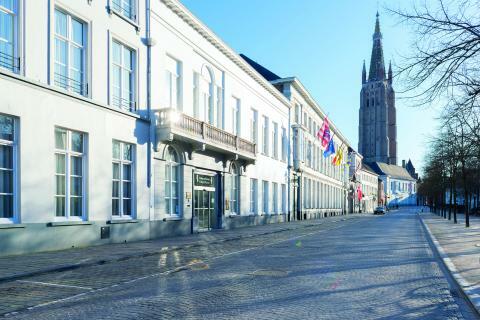
The education system in Europe varies from country to country, but there are some commonalities across the continent.
In general, the education system is divided into primary education, secondary education, and higher education. Primary education typically begins at age six and lasts for four to six years, depending on the country. Secondary education is divided into lower and upper secondary education, which can last for six to eight years depending on the country.
ASIA
Discovering the Diverse World of Asian Education and Literature: Join Shahid Warsi’s Journey Across the Continent!
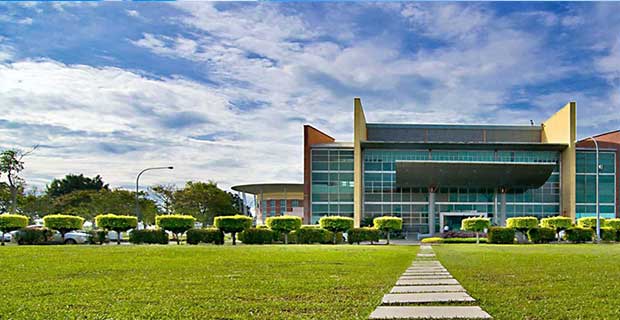
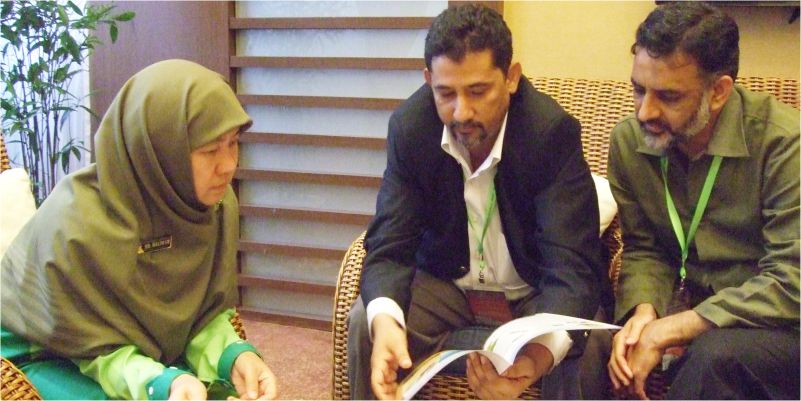
The education systems across Asia vary widely, with differences in curriculum, pedagogy, and assessment methods. However, there are some general features that are common across many countries in the region.
In general, the school system is divided into primary, secondary, and tertiary education. Primary education typically lasts for six years and is followed by lower secondary education, which lasts for another three to four years. Upper secondary education lasts for another two to three years, after which students may choose to pursue higher education.
In many Asian countries, there is a strong emphasis on rote learning and memorization, with students expected to memorize large amounts of information and regurgitate it on exams. This approach is often criticized for promoting passive learning and stifling creativity and critical thinking skills.
AUSTRALIA
Exploring the Wonders of Education Down Under: Join Shahid Warsi’s Educational Tour of Australia!
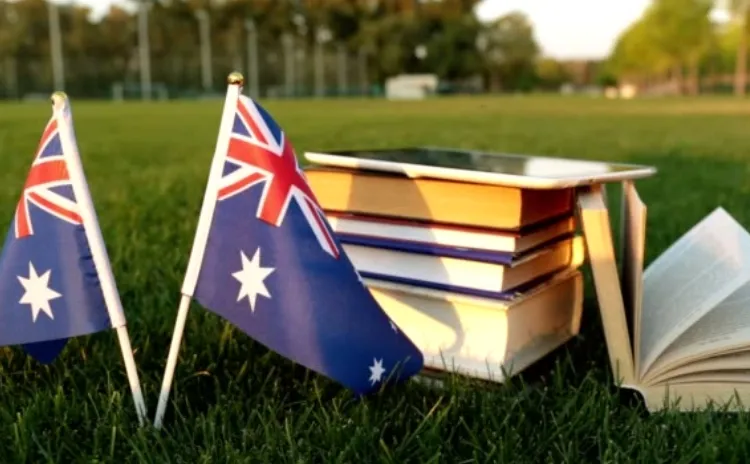
The Australian education system is known for its high quality and emphasis on innovation and creativity. The system is divided into three main levels: primary education, secondary education, and tertiary education.
Primary education in Australia typically lasts for six years, from ages 6-12, and covers a range of subjects including English, math, science, and social studies. The focus is on developing basic skills and knowledge, as well as fostering creativity and critical thinking.
Secondary education in Australia lasts for six years, from ages 12-18, and is divided into two stages. The first stage, known as junior secondary, covers general subjects such as English, math, science, and social studies. The second stage, known as senior secondary, allows students to specialize in particular areas and prepares them for higher education or the workforce.
AFRICA
Unlocking the Potential of Education in the Cradle of Civilization: Join Shahid Warsi’s Educational Tour Across Africa!
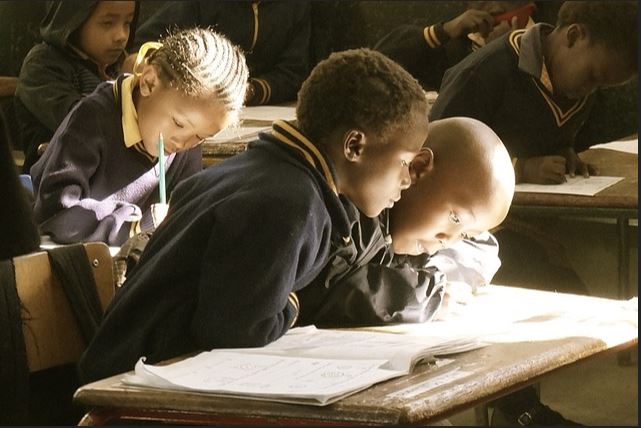
The African education system is complex and diverse, with differences in access, quality, and funding across different countries and regions. However, there are some common themes and challenges that many countries in Africa face.
In many African countries, access to education is a major challenge, particularly for girls and marginalized communities. Many children in Africa do not have access to basic education, and the quality of education can vary widely even for those who do attend school. The lack of resources, infrastructure, and qualified teachers are often cited as major challenges facing African education systems.